


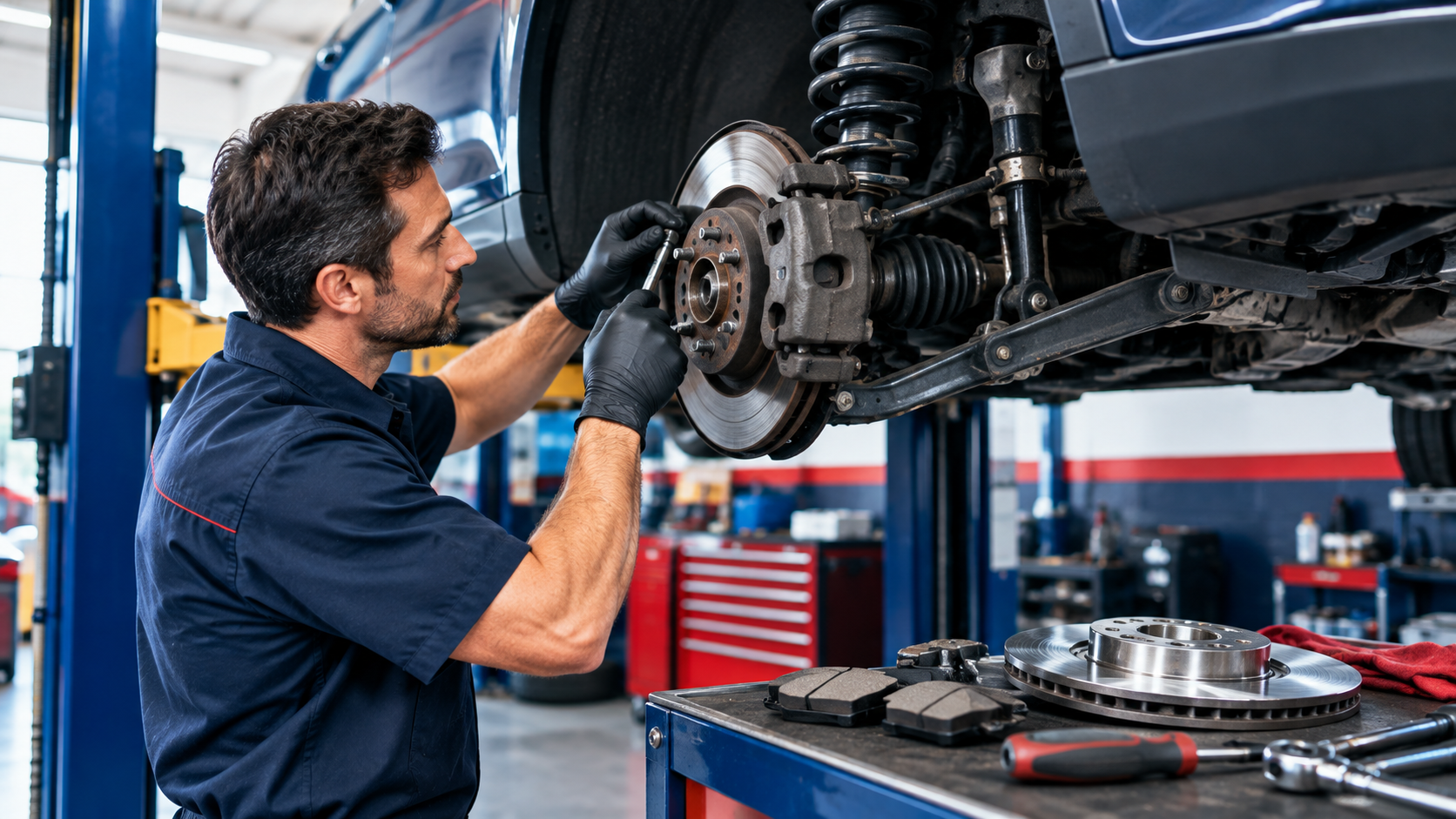
Your vehicle’s brakes and suspension are two of the most critical systems for safety, comfort and performance; yet they’re often overlooked until a problem arises. Whether you’re commuting across town, hauling gear to a weekend getaway, or navigating busy streets, understanding brake and suspension maintenance offers better handling and fewer costly repairs down the road.
This comprehensive guide brings together tried‑and‑true car maintenance tips from the team at Terry’s Garage, experienced technicians who know what it takes to keep cars performing at their best. You’ll find practical advice on routine checks, brake inspection tips, a brake pad replacement guide, and insights into maintaining suspension systems for durability and ride comfort.
Why Brake and Suspension Maintenance Matters
Brakes and suspension do more than just stop your car or cushion bumps. They work together to:
- Keep tyres in contact with the road
- Provide predictable stopping distances
- Improve steering response and cornering
- Reduce wear on tyres and other components
Healthy brakes and suspension systems also contribute to overall vehicle safety, reducing the risk of accidents and ensuring reliable performance on both city streets and winding country roads.
Understanding Brake Wear & Vehicle Brake Advice You Should Know
Before components fail completely, there are several tell‑tale signs your brakes need attention. Early detection protects you and prevents expensive repairs.
Common brake wear symptoms:
- Squealing or screeching noises — often caused by worn pads
- Grinding sounds — indicate metal‑on‑metal contact
- Soft or spongy brake pedal — could be air in the lines
- Vibration or pulsation under braking — possible warped discs
- Longer stopping distances — reduced effectiveness
These symptoms shouldn’t be ignored; even minor changes in brake feel require attention. A thorough brake inspection helps pinpoint wear before it worsens.
Brake Inspection Tips from the Terry’s Garage Experts
Regular inspections are the cornerstone of healthy brakes. Here’s what technicians at Terry’s Garage often check:
- Brake pad thickness — pads thin with use and eventually need replacement
- Rotor/disc condition — check for grooves, rust, and warping
- Brake fluid level and quality — old or contaminated fluid can reduce braking performance
- Calliper function — ensure smooth movement without sticking
- Hoses and lines — cracks or bulges can cause fluid leaks and loss of pressure
For many drivers, scheduling annual brake inspections is an excellent starting point; though high‑mileage, hilly terrain, or frequent towing may demand more frequent checks.
Brake Pad Replacement Guide
Brake pads are wear items. They are designed to sacrifice themselves to protect more expensive components like rotors and callipers. Knowing when and how to replace them helps maintain stopping power and prolongs component life.
- When to Replace Brake Pads
Replace brake pads if you notice:
- Less than 3mm of pad material remaining
- Persistent squealing even after driving
- Reduced braking responsiveness
- Frequent brake fluid top‑ups
- Brake Pad Replacement Steps (for professionals):
- Remove the wheel to gain access
- Inspect calliper and rotor for damage
- Compress calliper piston to fit the new pads
- Install new brake pads aligned correctly
- Test brake feels and checks fluid level
Brake pad materials vary by performance and usage. Terry’s Garage experts can advise whether ceramic, semi‑metallic or high‑performance pads suit your driving style best.
How Suspension Affects Handling and Comfort
While brakes stop your car, the suspension system keeps your ride smooth and stable. It includes shocks, struts, springs, and linkages that absorb road imperfections and maintain tyre contact.
Well‑maintained suspension delivers:
- Better steering response
- Reduced body roll during cornering
- Improved comfort over bumps
- Even tyre wear
- Enhanced braking performance
When suspension components wear out, even braking efficiency can be compromised due to reduced tyre grip or uneven weight distribution.
Signs of Worn Suspension Components
Suspension wear can creep up gradually. Be alert for:
- Excessive bouncing after bumps
- Nose‑dives under braking
- Uneven tyre wear
- Steering that feels sloppy or wandering
- Clunking noises over rough surfaces
These are clear indicators that your suspension needs inspection or servicing.
Suspension Maintenance Tips from the Pros
Routine suspension checks aren’t glamorous, but they are essential. Terry’s Garage technicians recommend:
- Inspecting shock absorbers for leaks and wear
- Checking springs for sagging or damage
- Examining suspension bushes and joints for cracking
- Verifying alignment and steering linkage integrity
- Assessing tyre wear patterns for signs of imbalance
Regular maintenance ensures your suspension continues to cushion bumps and maintain stability; it is a key part of both comfort and safety.
How Brakes and Suspension Work Together
Brakes and suspension might seem like separate systems, but they’re tightly linked:
- A worn suspension causes uneven weight distribution, reducing braking efficiency
- Effective brakes require good tyre contact — supported by suspension health
- Harsh landings or swerving stresses both systems simultaneously
Maintaining both systems together results in predictable handling, confident braking, and a comfortable ride.
Seasonal Car Maintenance Tips
Different seasons place varying demands on your vehicle.
- Summer driving:
- Heat accelerates brake wear
- Tar softens and impacts tyre grip
- Air conditioning load affects engine performance
- Winter driving:
- Cold weather thickens brake fluid
- Moisture intrudes into seals
- Potholes and rough surfaces increase suspension strain
Adjust your service schedule to account for seasonal effects — particularly if you travel frequently on highways or rural roads.
Everyday Car Maintenance Tips to Complement Brakes and Suspension
“Prevention is better than cure” is not just a phrase — it’s a safety mantra. Regular maintenance reduces the risk of breakdowns and improves performance. Even a small delay in brake response can increase stopping distance significantly.
Staying on top of basic care keeps both you and your passengers safer. Good car maintenance goes beyond servicing brakes and suspension.
- Broader maintenance habits include:
- Check tyre pressure monthly
- Rotate tyres every 10,000 km
- Monitor fluid levels regularly
- Look for warning lights and act promptly
- Keep your car clean inside and out
These simple routines support all vehicle systems and reduce overall wear.
- The Role of Alignment and Balancing
Even small misalignments can affect braking and suspension performance.
Effects of poor alignment include:
- Uneven tyre wear
- Steering tug in one direction
- Reduced fuel economy
- Suspension strain
Wheel balancing ensures that tyres rotate smoothly without vibration, protecting suspension components and improving ride comfort.
- Upgrading Components for Better Performance
Depending on your driving style, whether you commute daily, tow gear or enjoy spirited weekend runs, upgrading to higher‑grade parts can pay dividends.
Consider upgrades such as:
- Performance brake pads
- High‑resistance brake fluid
- Heavy‑duty shocks and struts
- Enhanced sway bars
- Reinforced bushes
Terry’s Garage experts can recommend upgrades tailored to your vehicle and driving needs.
- Scheduling Regular Service Visits
Proactive servicing should be a priority.
Recommended intervals:
- Brake inspection: every 10,000–15,000 km or annually
- Suspension check: at least once a year
- Fluid checks: every oil change
Your driving conditions, be it city stop‑start traffic or highway miles, will influence how often you should visit.
- DIY Checks You Can Do at Home
While specialists handle detailed work, you can perform simple checks between services:
- Visual pad check: look through wheel spokes for pad thickness
- Tyre inspection: check for uneven wear patterns
- Listen for noises: squeaks or knocks over bumps
- Feel for steering oddities: shimmy or pull sensations
Report any concerns early to prevent more extensive damage.
How Technicians Diagnose Problems
Professional diagnosis is more than a quick look under the bonnet:
- Electronic diagnostic tools assess ABS and brake sensors
- Road tests measure noise, vibrations and handling
- Lift inspections check for leaks, wear and misalignment
- Rotor thickness gauges reveal uneven wear
This expert approach finds issues that might go unnoticed and ensures repairs are accurate and lasting.
Reach Out to Us for Expert Brake and Suspension Care
When it comes to brake and suspension maintenance, trusting trained technicians makes all the difference. At Terry’s Garage, our experienced professionals provide thorough inspections, accurate vehicle brake advice, and tailored servicing to keep your car safe and dependable on every journey.
Our services include:
- Comprehensive brake inspections and repairs
- Brake pad replacement guides tailored to your vehicle
- Full suspension checks and component replacements
- Performance and safety upgrades
- Clear recommendations and cost‑effective solutions
We stand out for our commitment to quality, personalised service, and transparent communication. Whether your car is used for daily commutes, long road trips or weekend adventures, our expert team ensures your brakes and suspension are in excellent condition.
Book your brake and suspension check with us today and obtain expert advice and reliable service you can trust.
FAQs
What are common signs of worn suspension components?
Excessive bouncing, uneven tyre wear, nose dives when braking and clunking noises on rough roads.
When should I take my car to a professional garage for brake or suspension work?
If you notice noises, uneven wear, changes in handling, or dashboard warnings.
How can I improve my car’s handling and ride comfort?
Regular maintenance, proper alignment, quality shocks, and balanced tyres help significantly.
How do I maintain my suspension for long-term performance?
Inspect components regularly, avoid harsh driving, and service annually or as recommended.
What are Terry’s Garage experts’ top tips for vehicle safety?
Routine inspections, timely replacements, proper fluid levels, and early response to warning signs.


